
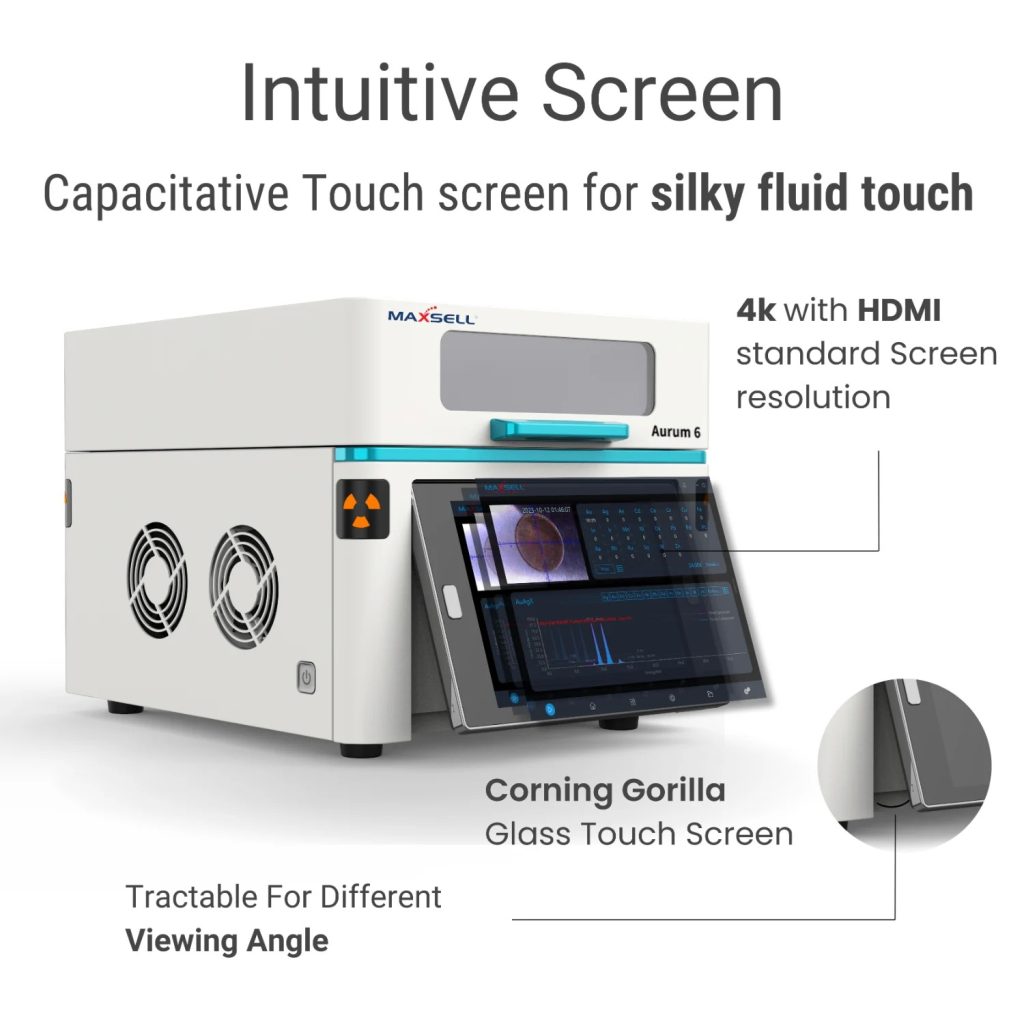
Gold testing has always been the core of the precious metals industry. Verification of purity and authenticity has never been a choice; it has always had to be done. The gold testing machine has seen many transformations over the years, with XRF (X-ray fluorescence) being the most trusted technique for non-destructive testing. It has been a great combination of speed, accuracy and reliability.
But today, the game has changed. Technology needs to do more and it needs to do it better, to provide more accurate results, to enable on the go testing and to integrate well with the digital world. The new chapter in the history of testing gold has begun and it’s smart, quick and connected!
Why XRF Isn’t the Only Hero Anymore?
XRF is still doing a good job. It gives correct results without hurting the sample. But there is a growing need for more advanced testing. Businesses today need tools that do more than just look good. That’s where technologies like “deep scanning” come in. They give you a better look at different layers of the sample, which helps you find impurities that checks at the surface level might miss.
Today’s gold testing machines use newer detectors, like SDD (Silicon Drift Detectors), instead of older Si-PIN sensors. This update makes things more sensitive and speeds up the process. Now it’s easier to find even small amounts of things.
Gold Testing Meets Digital Innovation
It’s not just test results that are improving with technology. It’s also improving the way results are stored, tracked and verified. Many of the new technologies now offer a blockchain feature, which allows you to track the gold’s purity level from its mining to its marketing. Such traceability is becoming more important with the tightening of international standards.
ESG (Environmental, Social and Governance) standards are also affecting gold testing technology. Testing instruments are now being developed to help identify the gold’s origin, which is a big help in ensuring the responsible sourcing of gold.
Beyond XRF: Other Emerging Technologies
Testing gold is getting more interesting. People are looking into new ways to fill in the gaps that XRF can’t cover.
Laser Induced Breakdown Spectroscopy (LIBS)
This technology uses a laser to burn a small part of the gold sample. It then analyzes the light emitted to determine the gold’s composition. It can reach deeper layers of the gold sample, giving you faster results. It also lends itself to automation.
Optical Emission Spectroscopy (OES)
OES looks at the light that electrons give off when they go back to their normal state after being excited. This helps you find things that XRF might not see. It’s especially helpful in places where the exact composition is important, like refining units or manufacturing hubs.
Smarter, Smaller, Sharper: The New-Age Devices
The new gold testing machine is smarter, lighter and more adaptable. Jewellers, traders and refiners can use it while on the go. These portable devices can connect to cloud services, which makes it easy to share results right away. That means quicker choices, more openness and simpler record-keeping.
Conclusion
Testing gold is changing and it’s more important than ever to have the right tools. Maxsell offers cutting-edge gold testing machine solutions that are built to handle the problems of the future for people who value accuracy, openness and smart design.
Check out their advanced range and put your mind at ease about your gold business.