
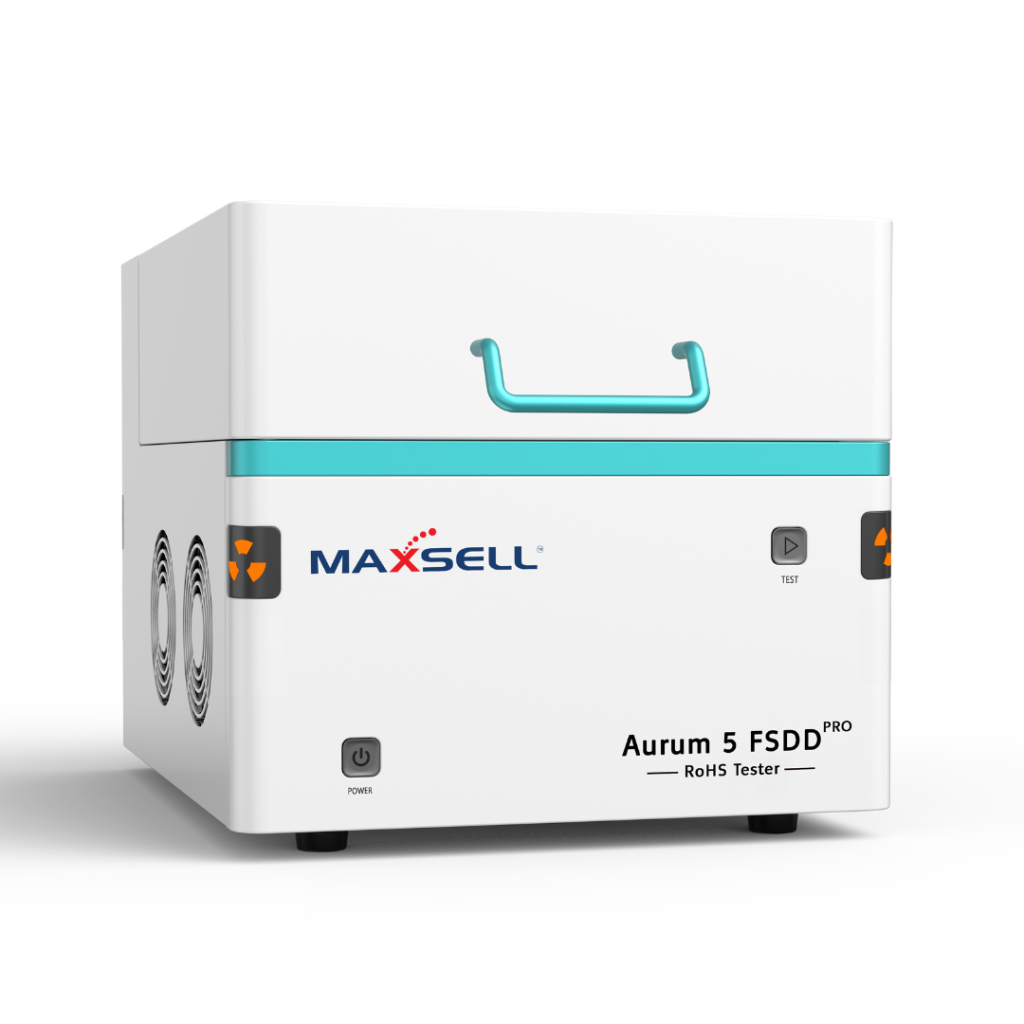
Making compliance with the Restriction of Hazardous Substances (RoHS) directive mandatory for electronics and electrical producers is not a choice anymore, it is mandatory. The directive confines the usage of hazardous materials such as mercury, lead, cadmium and some flame retardants in products.
Many companies use a RoHS testing machine to fulfil these requirements. Even the best machine, however, will give incorrect results if misused.
Avoid These Common RoHS Testing Machine Errors
Do Not Assume All Machines Work for Everything
One of the largest blunders is to overestimate the capacity of the RoHS testing machine. Some are built for metals, some are built for the right materials, or some are geared toward composite materials. The wrong machine can deliver false positives, and that, ultimately, can result in recalls or audit failure.
How to fix it: Always read the machine’s technical specs before use. Consult the supplier if unsure. Also, keep yourself informed about new models, as technology keeps evolving.
Poor Sample Prep Spoils Accuracy
Testing samples that are too extensive, too small or adulterated with other materials will compromise the results. Incorrect sample preparation is among the leading causes of incorrect data.
How to fix it: Enforce the sample size to follow the manufacturer’s instructions. Ensure samples are clean, dry, and not oily or dusty. Use a standard preparation method to minimise variation from test to test.
Ignoring Regular Calibration Is Risky
Neglecting regular maintenance and calibration for your RoHS testing machine can result in incorrect readings. A slight change in the point of calibration can cause a chain reaction and impact your overall production quality.
How to fix it: Adhere to a preset schedule for maintenance and calibration according to the manufacturer’s recommendations. Keep records and change records frequently. Change the spent components at once.
Undertrained Staff Can Cost You
Even the brightest machine flops if the operator is clueless. Improper handling, incorrect settings, or incorrect interpretation of the test results can all be traced to inadequate training.
How to fix it: Train your personnel adequately before letting them use the machine. Refresher training must be provided occasionally, that is, every now and then. Make an open atmosphere for them to ask questions without fear.
Your Environment Matters More Than You Think
High temperature, excessive weather, or dust can all influence the efficiency of a RoHS testing machine. Sadly, these outside elements are often not taken into account by businesses.
How to fix it: Keep your testing area stable, clean, and within the recommended environmental conditions. Check the space periodically and way problems before they cause problems.
Lack of Record-Keeping Harms Long-Term Performance
Failure to keep adequate documentation will cause audits to be stressful and slow down improvements. You cannot easily follow recurring problems or demonstrate compliance without records.
How to fix it: Implement a standardised recording system to record all test results, calibrations, and maintenance. Check these regularly to spot trends or mistakes at an early stage.
Conclusion
Working with a RoHS testing machine is necessary for the electronics business, but it is only effective if it’s properly managed. Care should be taken to avoid common pitfalls like disobedience to training, skipping the process of calibration, or mishandling samples to achieve high quality standards.
Need trustworthy gear and professional advice? Go with Maxsell.